Furniture Pick-Up in Soho: A Local Service for Homes, Flats, Offices, and Busy Premises
If you need Furniture Pick-Up in Soho, you are probably trying to solve a very local problem: a sofa that will not fit down narrow stairs, a desk that has outlived a renovation, or a few bulky items that need moving out of a flat, office, shop, or studio without disrupting the day. Soho is full of character, but it also comes with tight roads, limited loading space, mixed-use buildings, and a constant flow of people. That is exactly why a local furniture collection service can make such a difference.
Whether you are clearing one item or arranging a larger collection, the right team can help you remove unwanted furniture quickly, carefully, and with as little inconvenience as possible. From period buildings and top-floor apartments to creative workspaces, hospitality venues, and retail units, furniture removal in Soho often needs planning, flexibility, and a practical approach.
Below, you will find a detailed look at what the service involves, how it works, what can affect the job, and how to prepare. If you are ready to clear space, request a free quote or book your service now once you have checked the details that matter to you.
Why Furniture Pick-Up in Soho Needs a Local Approach

Soho is unlike a standard suburban pickup area. Streets can be tight, loading can be restricted, and many properties have access arrangements that need to be respected. A local furniture pick-up service in Soho is useful because it understands the realities of the area: busy pavements, one-way streets, shared entrances, service lifts, and the need to keep things moving efficiently.
That local knowledge matters for both residential customers and commercial clients. A homeowner in a converted flat may need careful handling for stairwells and communal corridors. A restaurant or café may need bulky chairs, banquettes, tables, or storage units removed between service windows. An office may need old desks and cabinets cleared without disturbing staff or visitors. In each case, the job is not just about lifting furniture; it is about timing, access, and working sensibly in a busy part of central London.
Choosing a team that regularly works around Soho can reduce stress and avoid unnecessary delays. The right crew will know how to approach small deliveries and larger clearances with the same level of care, making the process smoother from the first enquiry to the final collection.
What the Service Typically Includes
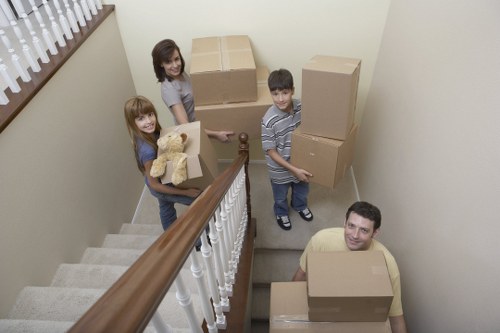
A professional furniture collection service is designed to take the hassle out of moving bulky items you no longer need. While every job is different, most collections are built around safe handling, practical lifting, and efficient removal from the property.
Typical inclusions may cover:
- Single-item or multiple-item furniture pick-up
- Careful removal from flats, offices, shops, and hospitality premises
- Loading and transport of bulky items
- Handling of awkward pieces such as wardrobes, bed frames, sofas, cabinets, and tables
- Attention to stairs, narrow halls, shared entrances, and building rules
- Clear communication about access, timing, and preparation
Depending on the job, collections can also involve dismantling items that will not fit through doorways, moving furniture from upper floors, or working around service restrictions in commercial buildings. If you need a specific item removed from a basement, top floor, or rear access point, it is best to mention that early so the collection can be planned properly.
Important: the exact service will depend on the item type, access, quantity, and location within Soho. A good provider will explain what is possible before the collection date, so you know what to expect.
Common Furniture Items Collected in Soho

Soho properties and businesses generate all kinds of furniture removal needs. Some jobs are small and straightforward, while others require more care or multiple trips. Common items include sofas, armchairs, coffee tables, dining tables, dining chairs, office chairs, filing cabinets, desks, shelving, wardrobes, bed frames, mattresses, sideboards, stools, and reception furniture.
In residential settings, the need often comes after a move, an upgrade, a refurbishment, or a change in room layout. In commercial settings, furniture changes are often driven by fit-outs, seasonal updates, new leases, closing-down works, or the need to free up storage space. Soho’s mix of apartments, offices, theatres, studios, bars, and retail units means a furniture pick-up service has to be adaptable.
Some pieces are easy to carry, but others are heavy, awkward, or fragile. That is especially true for solid wood items, mirrored furniture, large wardrobes, sleeper sofas, and antique pieces. A careful pickup service helps reduce the risk of damage to walls, floors, and shared spaces during removal.
Who Uses Furniture Pick-Up Services in Soho?

People choose furniture pick-up in Soho for many different reasons. The service is not limited to households clearing out a spare room. It is used across a wide range of property types and customer needs, which is one reason local experience is so valuable.
Residential customers may need help with:
- Clearing old furniture before a move
- Replacing worn-out items in a flat or apartment
- Removing a sofa, bed, or wardrobe that cannot be carried easily
- Making room after downsizing or redecorating
- Managing bulky items in properties with narrow stairs or limited lifts
Commercial customers may need furniture pick-up for:
- Office reorganisations and refurbishments
- Retail fit-outs and clear-outs
- Café, restaurant, and bar changes
- Studio, gallery, or production space updates
- End-of-lease or handover preparation
Soho’s business mix means timing is often crucial. Many premises need collections before opening hours, after closing, or during quiet periods. A local team that understands this can help minimise disruption and keep the job practical.
How the Furniture Collection Process Works

Customers often want to know what happens once they enquire about a collection. A straightforward process helps remove uncertainty and makes it easier to plan around access, building rules, and day-to-day life.
A typical furniture pick-up process may include the following steps:
- Initial enquiry: You share what needs collecting, where it is located, and any access details that may affect the job.
- Assessment: The team reviews the item list, the property type, and any stair, lift, loading, or parking issues.
- Quote or estimate: You receive a price based on the volume, item type, access, and collection requirements.
- Booking: A time is arranged that works around your schedule and, if relevant, your building or business hours.
- Collection day: The team arrives, confirms the items, and removes them carefully from the property.
- Completion: Once the furniture is loaded, the job is complete and your space is left clearer and more usable.
For customers in Soho, the planning stage is especially important. Even a small job can involve service entrances, timed access, security desks, lift reservations, or temporary parking arrangements. The more accurate the information you provide, the smoother the collection is likely to be.
Access, Parking, and Loading Challenges in Soho
Why local awareness makes a difference
Soho presents a set of practical challenges that can affect how quickly and safely furniture can be collected. Streets can be narrow and busy, public parking can be limited, and loading bays may not always be close to the property. Many buildings are older, with tight staircases, smaller doorways, or communal areas that need care and respect.
These conditions are common around central London, but Soho adds another layer because of its density and constant foot traffic. If you are arranging Furniture Pick-Up in Soho, it helps to work with a team that understands how to manage these constraints without causing problems for neighbours, building management, or nearby businesses.
Useful factors to mention when booking include:
- Whether the property is on a main street, side street, or mews-style access route
- If there is a lift or only stair access
- Whether loading is possible directly outside or around the corner
- If there are time limits for entering the building
- Whether the furniture is on the ground floor, upper floor, or basement level
- Any restrictions set by the landlord, concierge, or building manager
Sharing this information early helps avoid delays and makes it easier to match the right vehicle, crew size, and timing to your collection.
Preparation Checklist Before Your Pick-Up
Simple steps that make the job easier
A little preparation can make furniture collection faster and more efficient. You do not need to move everything yourself, but some basic organisation can help the team work safely and save time on the day.
Before the collection, consider doing the following:
- Identify exactly which items are being removed
- Clear smaller objects from drawers, shelves, and tabletops
- Measure doorways or note any tight corners if the item is oversized
- Check whether furniture needs to be dismantled beforehand
- Reserve lift access if your building requires it
- Inform reception, concierge, or building management if necessary
- Make sure the item is reachable and not blocked by other belongings
If you are in a busy Soho office, restaurant, or retail unit, it can also help to choose a time that avoids customer peaks or deliveries. In residential buildings, think about neighbours and shared access areas so the collection can be carried out with minimal disruption.
Tip: If you are not sure whether an item will fit through the doorway, mention it during the enquiry stage. This lets the team plan for dismantling or alternative handling if needed.
What Affects the Price of Furniture Pick-Up?
Understanding the main pricing factors
While exact prices are not fixed in advance without seeing the job details, there are several common factors that can influence the cost of furniture collection in Soho. Knowing these helps you understand the quote and compare services more confidently.
Pricing is often shaped by:
- The number of items being collected
- The size and weight of the furniture
- How easy it is to access the property
- Whether stairs, lifts, or long carry distances are involved
- Parking or loading challenges near the building
- Whether the items need dismantling
- The urgency or timing of the collection
- Whether the job is residential or commercial
For example, a single chair from a ground-floor shop may be quicker to collect than a large wardrobe from a top-floor flat with a narrow stairwell. Similarly, a same-day collection in a busy area of Soho may require more flexible planning than a routine booking.
When requesting a quote, try to give as much detail as possible. Clear information leads to a more accurate estimate and reduces the chance of unexpected complications later.
Why Choose a Local Company for Soho Furniture Pick-Up?
Practical benefits for local homes and businesses
Working with a local furniture pick-up company can save time and make the overall experience easier. Local teams are often better placed to understand the routes, access points, and timing issues that are common in Soho and the surrounding central London neighbourhoods.
Benefits of choosing a local provider may include:
- Better knowledge of Soho’s streets and access constraints
- More practical scheduling around busy commercial hours
- Greater familiarity with flats, converted buildings, and mixed-use premises
- Quicker responses to changing access or timing needs
- More efficient planning for loading and vehicle access
- Support for both one-off collections and repeat business needs
That local awareness can be especially valuable in adjacent areas such as Covent Garden, Fitzrovia, Mayfair, Piccadilly, Chinatown, and the West End, where street conditions and building layouts can also be challenging. If your pickup involves a property near the edges of Soho, a team used to central London logistics is often a safer choice than a company that treats every area the same.
In short: a local service is not just about proximity. It is about knowing how to work efficiently in a place where details matter.
Residential Furniture Pick-Up in Soho
For flats, apartments, and period conversions
Soho homes come in many forms, from compact apartments to larger converted spaces and shared properties. Furniture removal from a residence often needs a careful, polite approach because of limited space, shared hallways, and the need to avoid disruption to neighbours.
Residential collections commonly include sofas, beds, mattresses, dining furniture, wardrobes, chairs, small tables, and storage units. In some homes, the challenge is not the weight of the item alone, but the route out of the property. Tight corners, stairs, and narrow entrances can make even a modest piece awkward to move.
For local residents, a reliable collection can make a big difference during:
- End-of-tenancy clear-outs
- Moves to a new home
- Room redecorations
- Furniture upgrades
- Decluttering after a change in household needs
If you live in Soho, you may also want to coordinate collection times around building access and neighbours. A well-organised pickup keeps the process calm and predictable.
Commercial Furniture Pick-Up in Soho
For offices, hospitality venues, and retail units
Commercial customers often need furniture removed quickly and with minimal interruption. Soho businesses operate in a fast-moving environment, where space is valuable and schedules can be tight. Whether you run an office, a café, a showroom, a bar, or a creative workspace, unwanted furniture can get in the way of a smoother operation.
Commercial pickup work may involve desks, chairs, tables, cabinets, shelving, reception furniture, display units, and seating. In hospitality and retail settings, it is common to coordinate removals outside trading hours or during quiet periods. In office environments, collections may need to happen with minimal disruption to staff and visitors.
Common commercial reasons for arranging furniture collection include:
- Fit-outs and refurbishments
- Lease end or handover preparation
- Business downsizing
- Refreshing client-facing spaces
- Clearing storage rooms or unused back-of-house areas
Because Soho is home to a wide mix of businesses, it helps to work with a team that understands both the practical and scheduling demands of commercial collections.
Areas Covered Around Soho
Nearby central London locations often served
Although the service is focused on Soho, many customers also need collections in the surrounding parts of central London. That can be helpful if you are moving between nearby streets, handling a business relocation, or clearing items from multiple properties in one area.
Areas commonly linked with Soho furniture pickup work include:
- Covent Garden
- Fitzrovia
- Mayfair
- Piccadilly
- Leicester Square
- Chinatown
- Marylebone
- West End locations nearby
If your property is just outside Soho, it is still worth asking about service availability. Nearby central London collections are often closely connected, especially when you are clearing a flat, office, or commercial venue across several postcodes in one move.
Frequently Asked Questions
Real questions local customers often ask
Can you collect just one item?
Yes, many customers only need a single sofa, bed frame, wardrobe, or desk collected. A one-item pickup is common in Soho, especially in flats and smaller business premises.
Do I need to move the furniture outside first?
Not usually. In most cases, the team collects items from inside the property, provided access is clear and the item can be reached safely. If a piece is very heavy or the route is difficult, mention it in advance so the collection can be planned properly.
What if the furniture will not fit through the doorway?
That is a frequent issue in older buildings and compact Soho properties. In some cases, dismantling may help. It is best to flag oversized furniture before booking so the team can prepare for the access challenge.
Can you handle office and business furniture?
Yes. Offices, hospitality premises, and retail units often need desks, chairs, tables, shelving, and reception furniture collected. These jobs can often be arranged around business hours.
How much notice do I need to give?
It depends on the job and availability. If you have a flexible collection window, bookings are easier to arrange. If you need urgent furniture pick-up in Soho, mention that as early as possible so you can be advised on the next available slot.
What should I do before the team arrives?
Clear access to the items, remove small belongings, check lifts or stair access, and let building management know if required. A few simple steps can make the collection quicker and more efficient.
How to Decide if the Service Is Right for You
If you are unsure whether to book furniture pick-up, ask yourself a few practical questions. Is the item too large to move safely on your own? Do you have a tight deadline? Is the furniture blocking a room, store, or office area? Are there building restrictions or access problems that make self-move difficult?
For many Soho customers, the answer is yes to at least one of those questions. That is where a local collection service becomes useful. It takes the pressure off you, helps protect walls and floors, and gets the unwanted item out of the way without turning the day into a logistical problem.
Ideal situations for booking include:
- Preparing for a move
- Replacing old furniture
- Clearing out a property or business unit
- Making more room in a compact flat
- Removing items before refurbishment or handover
If that sounds familiar, contact us today to discuss your furniture pick-up needs and request a free quote based on your item list and access details.
What Makes a Good Furniture Pick-Up Experience?
Features customers usually value
When you book furniture pick-up in a busy part of London, the best experience usually comes from a team that is clear, organised, and responsive. You do not need flashy promises; you need a service that understands what matters on the day.
Customers often look for:
- Clear communication before collection
- Flexible arrangements around access and timing
- Careful handling of furniture and property
- Knowledge of local streets and restrictions
- A straightforward booking process
- Professional conduct in shared or public-facing spaces
In Soho, where many properties and businesses operate in tight proximity, these qualities matter even more. A well-run pickup should feel efficient, respectful, and suitably prepared for the realities of the area.
If you are planning a collection soon, take a moment to list the items, check access, and decide on a preferred time. Then book your service now so the removal can be arranged with confidence.
Final Thoughts on Furniture Pick-Up in Soho
Furniture pick-up in Soho is about much more than taking away an unwanted item. It is about handling access challenges, respecting a busy central London environment, and giving residents and businesses a practical way to clear space without unnecessary stress. From compact flats and period conversions to offices, restaurants, and retail units, Soho has a wide range of pickup needs—and each one benefits from local experience.
If you need a sofa removed, a set of office desks collected, or a full room cleared before a refurbishment, a local furniture collection service can help make the process easier. The key is to provide good details, think ahead about access, and choose a team that understands the local area.
Ready to move forward? Request a free quote today and arrange your Furniture Pick-Up in Soho with a team that knows how to work around the realities of central London.
Simple, local, and built around your schedule
When you need furniture removed quickly and carefully in Soho, a well-planned collection saves time, reduces disruption, and clears the space you need.