Office Relocation Services in Soho
Moving an office in Soho takes planning, local knowledge, and a team that understands how busy central London works. Whether you are relocating a compact creative studio, a professional services office, a retail back office, or a larger workspace that supports multiple teams, the process needs to be handled carefully from start to finish. Soho is lively, tightly packed, and full of mixed-use buildings, which means even a short move can become complicated without the right support. That is why Office Relocation Services in Soho are designed to take pressure off your team, reduce disruption, and keep your business moving.
From narrow streets and timed access restrictions to lift limitations, shared entrances, loading challenges, and the need to coordinate with landlords or building managers, moving in this part of London often requires a flexible and organised approach. A local relocation team can help with planning, packing, transport, furniture handling, IT coordination, and setup, while working around the realities of Soho office life. If you are looking to move with less downtime and more confidence, the right service can make all the difference.
We work with businesses of different sizes and sectors, including media, design, finance, legal, hospitality support teams, production offices, and start-ups. Some customers need a full-service office move; others only need help with furniture, archive boxes, equipment, or a few rooms within the same building. Whatever the scope, the aim is the same: a smooth move that is practical, well timed, and suited to your location.
Why Soho office moves need a specialist approach

Soho is unlike an industrial estate or a business park where vehicles can pull up easily and work can happen without much interruption. Streets are busy, parking is limited, and access windows can be narrow. Many buildings are older, with stairs, shared corridors, small lifts, or no dedicated loading bay. That means office relocation services in Soho need to be carefully planned rather than rushed.
Local experience matters because it helps anticipate the issues that commonly affect central London moves. A team that knows the area can plan around traffic patterns, assess building access, manage entry points, and help avoid delays on moving day. This is especially important if you are relocating during business hours, moving sensitive items, or coordinating multiple departments at once.
Soho businesses also tend to work in fast-paced environments where even a short interruption can affect client work, meetings, production schedules, or service delivery. A well-run relocation service aims to keep downtime to a minimum by splitting work into stages, moving in a structured order, and ensuring the new office is ready for staff to return as quickly as possible.
What is included in office relocation services

Office relocation services can be tailored to suit a simple internal move, a full office transfer across Soho, or a relocation to another part of London. While every project is different, most services include a combination of planning, packing, transport, and reinstallation. The level of support can be adjusted depending on your timeline, team size, and building requirements.
Typical office relocation support may include:
- Pre-move planning and move scheduling
- Packing of office items, documents, and equipment
- Labelling systems for desks, departments, and rooms
- Furniture dismantling and reassembly
- Safe handling of computers, monitors, printers, and peripherals
- Transport for boxes, office furniture, and specialist items
- Placement of items in the correct areas at the new site
- Clear-up support and removal of packing materials where required
For businesses that want a more hands-off experience, a full packing and unpacking service can be particularly valuable. This helps protect your staff from last-minute stress and reduces the chance of items being lost or mislabelled. If you prefer to stay in control of part of the process, a local relocation team can provide a partial service, such as transport-only support or assistance with heavier furniture and fragile equipment.
Types of office moves we support in Soho

Not every move looks the same, and in Soho there is often a mix of workspace types that need different handling. Some offices are in converted period buildings with character features and tight access; others are in modern commercial spaces with managed entry systems. A flexible relocation service should be able to work across all of these settings.
Common move types include:
- Full office relocation – transferring the entire operation to a new address.
- Internal office moves – reorganising desks, teams, meeting rooms, or storage within the same building.
- Phased relocations – moving in stages so business operations can continue during the transition.
- Small office moves – ideal for start-ups, studios, and smaller professional teams.
- Furniture-only moves – for clients who need desks, chairs, cabinets, or boardroom furniture repositioned.
- IT and equipment moves – for businesses with sensitive technical equipment that needs careful handling.
Some Soho offices also share space with retail, hospitality, creative production, or back-of-house operations. In those cases, the move needs to be coordinated to avoid disrupting clients, visitors, or neighbouring businesses. A local team can adapt the approach to suit each site, whether that means early access, off-peak moving times, or a carefully sequenced load-in and load-out plan.
Why choose a local company for office relocation in Soho
Choosing a local company for office relocation in Soho is about more than convenience. It is about practical knowledge of central London conditions and the ability to respond quickly when things change. A local service provider is more likely to understand the realities of narrow streets, controlled parking zones, nearby loading restrictions, and the way access can vary from one building to another.
Local teams are also easier to coordinate with when your project needs site visits, surveys, or flexible scheduling. If your move requires a plan for building access, floor protection, lift bookings, or communication with a building manager, local support can save time and reduce confusion. This can be especially helpful in Soho, where mixed-use buildings, shared entrances, and busy foot traffic are common.
For customers based in and around the area, working with a nearby team can also make the whole process feel more manageable. It becomes easier to arrange meetings, discuss logistics, and plan around specific property challenges. That is a major benefit for offices in Soho, Fitzrovia, Covent Garden, Marylebone, Mayfair, and the West End, where move dates often need to be aligned with building rules and operational deadlines.
Benefits for local businesses and organisations
Office moves are not just about transport. They are about continuity, safety, and protecting the things that keep your business running. The right relocation service can help with:
- Reducing downtime for staff and clients
- Protecting furniture and equipment during transit
- Keeping documents and storage systems organised
- Managing access challenges in busy central streets
- Supporting a smooth handover between old and new premises
- Helping your team settle in quickly after the move
How the office relocation process works

Many customers want to know what happens from the moment they enquire to the time the last desk is in place. A good office relocation process should feel organised and transparent. While every project is different, a typical approach follows a clear sequence that keeps everyone aligned and reduces avoidable delays.
1. Initial discussion and move assessment. The process begins with an understanding of your current office, your destination, your deadlines, and any building restrictions. This may include the number of items to move, the type of furniture involved, and whether there are fragile or high-value items that need special care.
2. Planning and scheduling. Once the move is understood, a practical plan is created. This can include moving stages, packing requirements, vehicle access, lift use, and the best time to carry out the relocation. In Soho, timing is especially important because traffic, pedestrian congestion, and delivery restrictions can affect how smoothly the day runs.
3. Packing and preparation. If you choose packing support, items are boxed, labelled, and organised so they can be unloaded in the correct areas at the new office. Furniture may be dismantled where needed, and specialist items can be wrapped or protected to reduce risk in transit.
4. Moving day. On the day itself, the team handles loading, transport, unloading, and placement. The aim is to keep the process structured and efficient so your staff can focus on their work rather than the logistics.
5. Set-up and completion. At the new site, furniture and equipment are placed where they are needed, and key areas can be reassembled or arranged ready for use. This can help your team return to work more quickly and with less disruption.
Preparing your Soho office for relocation
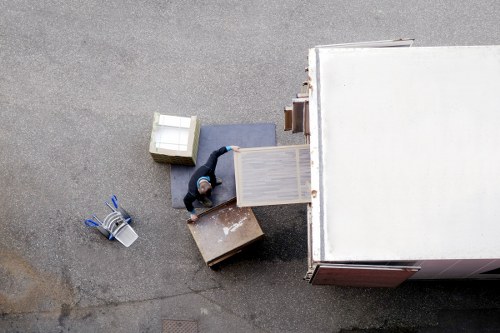
Good preparation makes a major difference to the success of an office move. It helps protect your items, keeps the schedule on track, and reduces the risk of confusion when boxes and equipment arrive at the new site. Even if you are using full relocation support, there are still several things your team can do in advance to make the move easier.
Here is a practical preparation checklist:
- Confirm your move date and internal deadlines early
- Tell staff what they need to pack or clear from desks
- Label departments, rooms, and priority items clearly
- Back up data and secure digital files before moving equipment
- Separate confidential documents from general office items
- Check building access rules, lift bookings, and loading arrangements
- Measure larger furniture to make sure it will fit through doors and lifts
- Set aside essential items needed for the first day in the new office
It is also a good idea to nominate an internal point of contact who can answer questions on move day. This helps the relocation team act quickly if there are small decisions to be made about desk placement, room labels, or access to locked areas. In a busy district like Soho, having one clear line of communication can make the whole process easier.
Handling access, parking, and property challenges in Soho
One of the biggest reasons businesses look for office relocation services in Soho is the area’s access complexity. Parking can be limited, kerbside space is often tight, and streets can become congested very quickly. Some buildings have no direct vehicle access at all, while others may require the use of loading bays, time-restricted entry, or specific routes for deliveries and removals.
Many Soho properties also come with structural quirks that can affect moving day. These may include narrow staircases, small lifts, split-level floors, old door frames, or limited internal storage. A local relocation team should be prepared to work with these conditions rather than treat them as exceptions. This could involve dismantling larger furniture, protecting communal areas, using trolleys carefully, or scheduling work outside the busiest periods.
Residential and commercial mix is another important factor. Soho is not just offices; it also includes apartments, hotels, restaurants, bars, studios, and mixed-use buildings. That means moving teams need to be considerate about noise, timing, building rules, and shared access. If your office sits inside a mixed-use property, a service that respects neighbours and building policies can help avoid friction and delays.
Working around landlord and building requirements
In many Soho buildings, you may need to follow specific procedures for access, insurance checks, lift protection, or move-out conditions. This is normal in central London and can be managed effectively with good planning. A relocation provider can help you prepare the right information and ensure that the move runs in line with building expectations.
Common requirements may include:
- Advance notice for move dates
- Lift reservations or time slots
- Protective floor coverings
- Limits on moving hours
- Supervision by building staff or agents
- Special handling for high-value or fragile items
Pricing factors for office relocation services in Soho
Every office relocation is priced according to the details of the move, so it is best to request a tailored quote rather than assume a standard rate. The cost of office relocation services in Soho depends on a range of practical factors, many of which relate to access, labour, and the amount of preparation required.
Pricing factors often include:
- The size of the office and number of items to move
- Distance between the current and new premises
- Need for packing, dismantling, or reassembly
- Special handling for fragile, heavy, or technical equipment
- Complex access, stairs, or restricted loading conditions
- Out-of-hours or weekend moving requirements
- Additional help needed for setup, clear-up, or storage movement
If you are comparing services, make sure you understand what is included in the quotation. Some customers only need transport and loading, while others prefer a full service that covers planning, packing, and furniture reinstallation. A clear quote should reflect the actual work involved, which helps you make a better decision for your office and budget.
What makes a move feel smooth for staff
A successful office move is not just measured by how quickly the van is loaded. It is also about how staff experience the change. When people know what to expect, where to go, and what is happening next, the move feels calmer and more controlled. That is especially useful in fast-moving Soho workplaces where teams may already be balancing client meetings, deadlines, and shared spaces.
Practical communication matters. Clear instructions about packing, labelling, and the order of the move can prevent unnecessary stress. Staff should know whether they need to clear desks, how to store personal items, and when they should expect access to the new office. If the move affects IT, phones, or workstation setup, those details should be handled in a planned way so the team can get back to work sooner.
Some businesses also benefit from moving in phases so that not all departments are affected at once. This can be especially helpful for agencies, professional services, and offices that need to stay open during the transition. A phased approach can reduce disruption while still allowing the move to happen efficiently.
Areas covered around Soho
Office relocation services in Soho often support customers not only in the immediate area but also across nearby central London neighbourhoods. This is helpful if your office is moving between districts or if you need a team that already understands nearby streets and building types.
Nearby and commonly covered areas can include:
- Fitzrovia
- Covent Garden
- Mayfair
- Marylebone
- Bloomsbury
- St James’s
- Westminster
- Oxford Circus and surrounding central London streets
Whether your business is staying within Soho or moving a short distance to another West End location, local knowledge helps with route planning, timing, and building access. It can also make it easier to arrange smaller follow-up moves if you later need help with furniture changes, internal reconfiguration, or additional equipment transfers.
Office relocation for different Soho customers
Soho attracts a wide range of businesses, and each one has different relocation needs. A small creative agency may want a quick overnight move with minimal interruption. A production company might need careful handling for equipment and archive materials. A professional services office may be more concerned about confidentiality, records, and preserving an organised setup. The right service should adapt to the customer rather than applying a one-size-fits-all approach.
Residential-style workspaces and live-work premises can also present specific challenges. In some cases, the office may share a building with apartments, or the workspace may be part of a mixed-use setup with compact access. That can affect how items are moved, what hours are suitable, and how much protection is needed for shared areas. A flexible local team can work around those realities and keep the process respectful for everyone involved.
For start-ups and small businesses, a move can feel especially disruptive because teams often have fewer spare resources to handle it internally. Support with packing, transport, and installation can free up staff to stay focused on the business. For larger offices, the benefit is often about control, coordination, and reducing the pressure on in-house facilities or operations teams.
Frequently asked questions
How far in advance should I book office relocation services in Soho?
It is best to arrange your move as early as possible, especially if your office is in a busy building or requires coordinated access. Some customers book well in advance to secure the timing they need, while others need a quicker turnaround. Either way, early planning gives you more flexibility and helps avoid last-minute issues.
Can you help with packing and unpacking?
Yes, many office relocation services can include packing and unpacking support. This is useful if you want to reduce disruption, protect fragile items, or keep your staff focused on their work. You can usually choose full packing support or a partial service depending on what you need.
Do you move offices within the same building?
Yes. Internal office moves are common in Soho, especially in buildings where teams are reorganising, expanding, or changing floor layouts. This can include moving desks, meeting rooms, storage, and office furniture without leaving the building.
What if my building has restricted access?
That is very common in central London. A local relocation team can work with access windows, lift bookings, loading limits, and building rules. It helps to provide those details early so the move can be planned properly.
Can office moves be done outside normal business hours?
Yes, in many cases moves can be arranged for evenings, early mornings, or weekends, depending on your building and schedule. This is often useful for businesses that want to minimise disruption to staff and clients.
What should I do with confidential files or sensitive equipment?
Confidential files should be packed and labelled carefully, and sensitive equipment should be handled with appropriate protection. It is a good idea to identify these items during planning so the relocation team can organise the move correctly.
Ready to plan your move?
If you are preparing for an office move in Soho, the best next step is to speak with a team that understands the area and can tailor the service to your premises, schedule, and business needs. Whether you are relocating a small office, moving within a mixed-use building, or planning a larger commercial transition, professional support can make the process far easier.
Request a free quote, contact us today, or book your service now to start planning a move that is organised, efficient, and suited to your Soho workplace. With the right preparation and a local team on your side, your relocation can be managed with far less stress and far more confidence.